Summer in Canton, MA can feel unexpectedly humid. A few weeks of intense heat remind homeowners that cooling is not a luxury, it is a public-health and comfort necessity. The way Canton meets that need is changing. Green energy practices, from efficient air conditioning installations to electrified heating and smarter maintenance, are reshaping local AC service work. For residents and business owners who call about Ac repair in Canton MA, that shift brings lower operating costs, fewer breakdowns, and a smaller carbon footprint.
What follows is a practitioner's look at how green energy and modern AC services intersect in Canton. I draw on years of field experience replacing compressors at 2 a.m., sizing ductwork in older Cape Cod houses, and explaining options to skeptical homeowners. You will find practical trade-offs, examples from real jobs, and clear reasons to prefer green-minded AC repair and installation — including when traditional fixes still make sense.
Why greener AC services matter in Canton
Canton sits within reach of Boston, but many homes are single-family, with older insulation and mixed heating systems. That matters because inefficient houses magnify the cost of cooling. An oversized or poorly maintained air conditioner cycles more, wastes electricity, and fails sooner. When a whole community moves toward efficiency, the benefits compound: lower utility peaks, reduced emissions from local generators, and fewer emergency service calls during heat waves.
On the municipal and utility side, programs such as Mass Save and local rebate offerings make energy improvements financially accessible. Those incentives often cover part of the cost for high-efficiency AC units or heat pump conversions, and the payback helps homeowners justify upgrades. For technicians doing Ac repair in Canton MA, the change in customer questions is palpable. Where calls used to be only about a noisy condenser, now homeowners ask, "Will this reduce my electric bill?" Or "Can we replace our oil furnace with a heat pump?"
How green practices change the technician's work
Green energy shifts a lot of what an AC technician does. Repairs remain essential, but the job increasingly includes energy audits, system retrofits, and education. Here are concrete ways daily work changes on service calls.
- Diagnostic emphasis increases. Instead of replacing a blown capacitor and leaving, a technician measures refrigerant charge, airflow, and duct leakage. A 15 percent loss in airflow can cut efficiency substantially and shorten equipment life. Fixing duct leaks or cleaning coils can deliver immediate efficiency gains without major equipment expense. Sizing and matching matter more. Installing a high-efficiency AC that is oversized for the home leads to short cycling, humidity problems, and unsatisfied customers. Proper Manual J load calculations and attention to existing ductwork mean systems run as designed. I have seen two identical 2,000 square foot homes with radically different cooling loads because one had recent insulation and a sealed attic while the other did not. Electrification is becoming routine. Replacing oil or propane systems with cold-climate heat pumps is no longer hypothetical. For some Canton homes, a ducted heat pump replaces a central AC and furnace, cutting fossil-fuel use and simplifying maintenance. For others, ductless mini-split units provide zoned cooling and heating where ductwork is impractical.
Real examples from Canton service calls
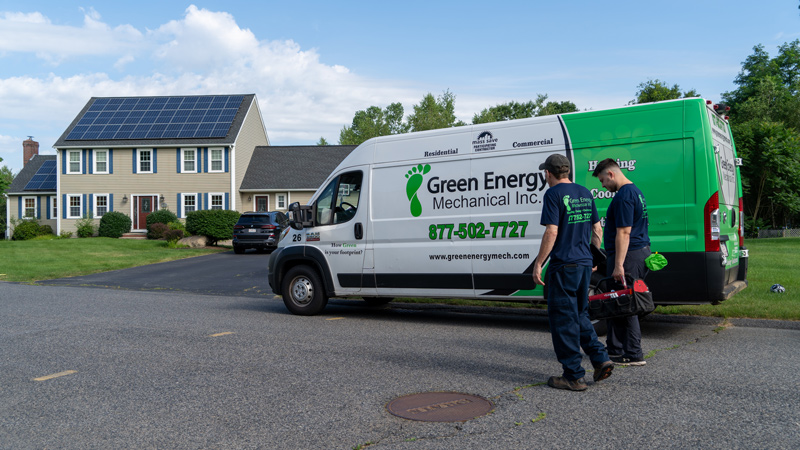
Last summer I worked on three neighboring homes that illustrated the spectrum of green upgrades.
House A was a 1960s ranch with an aging central AC and oil heat. The condenser had failed and the homeowner feared a four-figure replacement. A quick inspection showed poor attic insulation and duct leaks in the crawl space. Instead of upsizing the replacement to a larger condenser, we recommended a two-phase plan: seal ducts, add insulation, then install a high-efficiency 16 SEER unit sized to the corrected load. With a Mass Save assessment, the homeowner qualified for partial incentives. The total project cost about 30 percent more than a barebones replacement, but estimated energy bills fell by roughly 20 to 30 percent and comfort improved across all rooms.
House B was a split-level with electric baseboard heating. The family wanted a long-term solution that could cool and heat efficiently. We proposed a variable-capacity heat pump system that could handle Canton winters while providing efficient summer cooling. Installation required modest electrical upgrades and replacing some window units in upstairs bedrooms. The family reported quieter operation and lower bills in the first winter. They also benefited from a municipal rebate, which made the choice easier.
House C was an older colonial with recent attic insulation. The central system was undersized and had been patched repeatedly. Here the right answer was a new high-efficiency air conditioner properly matched to the existing furnace for a dual-fuel setup. It was the least green in the sense of avoided new fossil fuel use, but because the home was already relatively efficient, the upgraded AC delivered good performance and long-term reliability at a reasonable cost.
These cases show there is rarely a single correct answer. Green energy in Canton takes forms that match the house, the budget, and the occupants' priorities.
Cost, incentives, and realistic payback
One common concern is cost. High-efficiency equipment, heat pumps, and proper air sealing all cost more up front than the cheapest alternatives. The numbers matter, and they favor work that is done thoughtfully.
Equipment efficiency is measured with different metrics. For traditional cooling, Seasonal Energy Efficiency Ratio (SEER) and Energy Efficiency Ratio (EER) indicate performance. For heat pumps, look at heating-season performance ratings such as HSPF or a cold-climate performance chart. In Canton, where summers can be warm and winters cold, systems that perform well across seasons pay off.
Incentives reduce the financial gap. Mass Save, utility rebates, and occasional federal tax incentives apply to different scopes of work. Programs often require qualifying contractors and pre-approval for certain rebates, so hiring a local firm familiar with the process matters. Green Energy AC Heating & Plumbing Repair and similar local contractors frequently guide homeowners through paperwork, which saves time and prevents missed rebates.
A practical way to think about payback: If an upgrade costs $4,000 more than a baseline option but reduces annual energy bills by $500, the simple payback is eight years before incentives. For many homeowners that is acceptable, especially given improved comfort and fewer service calls. For others, a phased approach — addressing the most impactful items first, like duct sealing and thermostat upgrades — can deliver immediate savings without a large upfront outlay.
Maintenance: where green and durable intersect
Proper maintenance extends equipment life and preserves efficiency. That is low-tech but high-value work. Regular coil cleaning, filter replacement, refrigerant checks, and annual tune-ups prevent emergency repairs and keep systems running within manufacturer specifications.
Smart thermostats and zoning controls are part maintenance, part efficiency. They reduce runtime, even in multi-zone homes, by adapting schedules and learning occupancy patterns. For Canton families who travel for work or school, remote control of systems prevents wasted cooling and reduces peak loads on hot days.
For technicians doing Ac repair in Canton MA, recommending maintenance plans is practical. A modest annual fee for two tune-ups — spring for cooling, fall for heating — reduces the likelihood of mid-summer failures and spreads the cost of upkeep.
Grid and community benefits
Green AC practices help beyond the individual home. When many houses operate more efficiently, the local grid experiences fewer demand spikes on hot afternoons. That reduces the need for peaker plants, lowers community emissions, and can stabilize electricity prices.
Canton can also leverage demand-response programs. Some utilities offer time-of-use rates or demand-reward programs that pay households or businesses to reduce consumption during peak hours. A well-designed heat pump, combined with passive cooling strategies and smart controls, can participate in those programs without sacrificing comfort.
Workforce and local economy
Transitioning to green AC work stimulates local jobs and skills. Technicians must learn heat pump refrigeration cycles, electrical upgrades, and how to perform energy audits. Businesses such as Green Energy AC Heating & Plumbing Repair that invest in training tend to provide better service because their crews understand both the technology and the local housing stock.
Local workforce growth matters for reliability. In a heat wave, a neighborhood with trained technicians can restore service faster than an area dependent on distant contractors. That resilience is a community-level advantage.
Common trade-offs and when to choose repair over replacement
Not every failed part needs an efficiency upgrade. Sometimes the right choice is repair. Here are judgment calls I make repeatedly in the field.
If the compressor fails in a 12-year-old, well-maintained unit with adequate SEER and no refrigerant phase-out concerns, replacing only the compressor can be cost-effective. The risk is that older components will fail soon after, but if the homeowner plans to sell or expects to move, the shorter-term fix is rational.
If the system is over 15 years old, uses R-22 refrigerant, or has multiple pending repairs, replacement is usually better. New systems with higher efficiency and modern refrigerants are easier to service and will likely save money over the next decade.
If the home has chronic moisture issues, solving humidity problems is as important as raw cooling capacity. Upgrading to a variable-capacity unit or adding dehumidification will cost more up front but improve comfort and indoor air quality. I have seen installs where a higher SEER unit that lacked adequate dehumidification left homeowners uncomfortable despite lower energy bills.
One short checklist for homeowners to assess choices
- age of existing equipment, including refrigerant type and service history current energy bills and how they vary seasonally insulation and ductwork condition long-term plans for the house, such as staying, selling, or renovating
Making the local choice: how to evaluate contractors
Choosing a contractor matters more than choosing a particular brand in many cases. A properly sized and installed system by a reputable local firm beats a premium model installed without care.
Look for contractors who:
- perform Manual J load calculations and document the sizing decision offer written estimates that break down equipment, labor, and incentives explain maintenance plans and warranty terms clearly have references from Canton customers and are familiar with local rebate programs
Green Energy AC Heating & Plumbing Repair is one such local name that often comes up in Canton conversations. Firms with local ties tend to understand Massachusetts programs and the particular quirks of Canton housing stock, from older colonials to newer subdivisions.
Practical steps for Ac installation in Canton homeowners in Canton
Start with a simple audit. Many contractors offer free or low-cost home assessments that identify the biggest opportunities for savings. A good assessment highlights duct leaks, insulation gaps, inefficient thermostats, and aging equipment.
Plan projects in order of impact. Generally, start with envelope improvements like attic insulation and air sealing, then address ductwork, and finally upgrade equipment. That sequence prevents oversizing and ensures the new system runs efficiently.
Ask about financing and rebates up front. Some programs require pre-approval or specific installer participation. A contractor who helps navigate that paperwork reduces friction and ensures homeowners capture available incentives.
Final persuasive point
Green energy is not an abstract ideal in Canton. It is a set of practical choices that affect comfort, monthly bills, and the reliability of local services. For anyone searching for Ac repair in Canton MA, considering greener options yields concrete benefits: fewer surprise failures, lower energy bills, and a smaller local load on hot afternoons. The right mix of repairs, targeted upgrades, and informed installation can make cooling more predictable and less expensive over the long run.
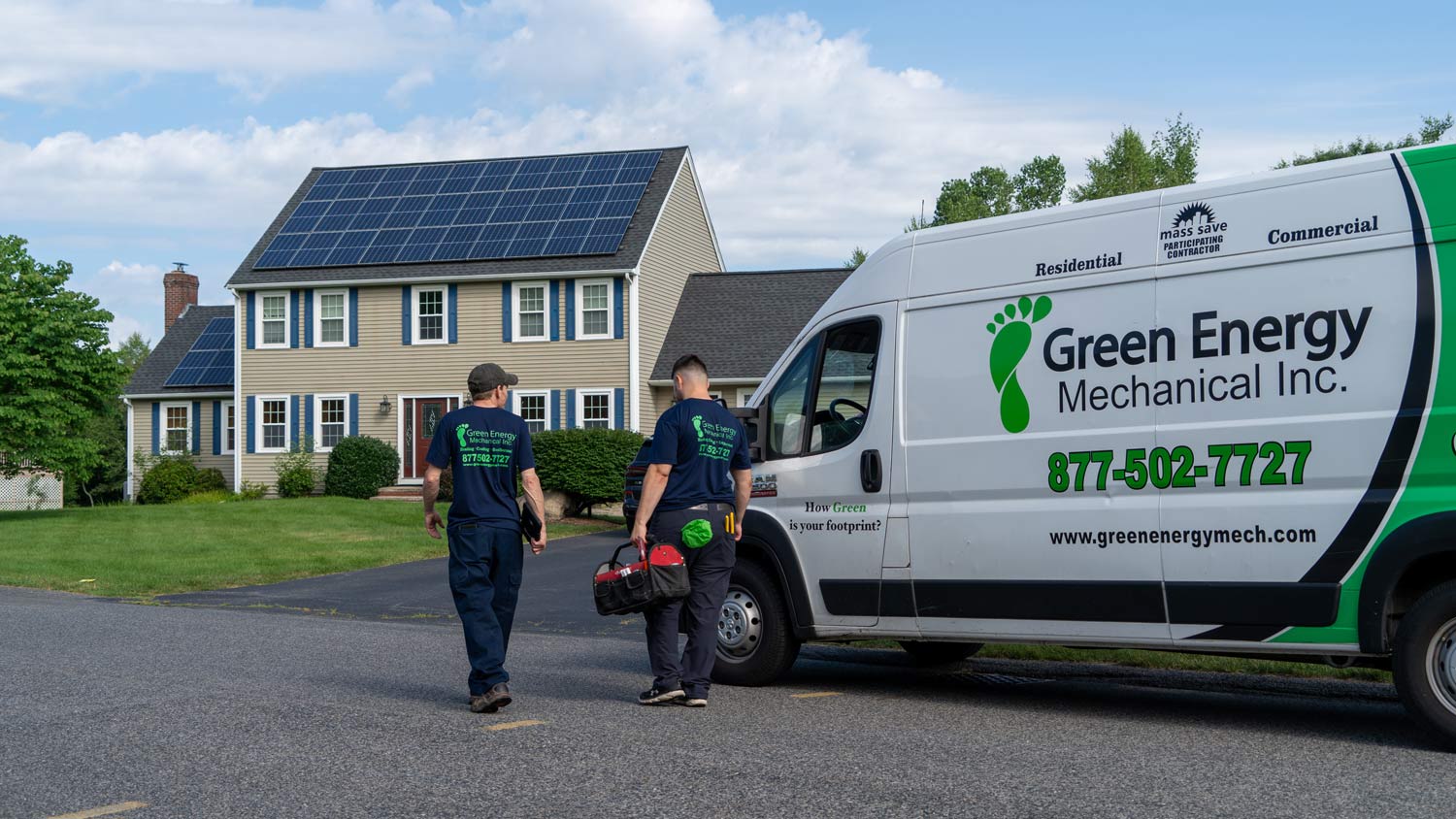
If you weigh comfort, cost, and community resilience, green AC services make sense for many Canton households. Talk to a contractor who does careful diagnostics, understands local incentives, and can show real examples from the neighborhood. That is the most reliable way to convert a hot, anxious summer call into a calm, efficient solution that lasts.
Green Energy AC Heating & Plumbing Repair
480 Neponset St, Canton, MA 02021, United States
+1 (781) 236-3454
[email protected]
Website: https://greenenergymech.com